StringTheory-Neon-logotype

Every fretted instrument shares a
hidden design flaw.

It’s the reason why every guitar ever produced cannot play in tune.
• Guitars are scientific instruments which rely on mathematical precision to perform as intended.
• Guitars need intonation adjustment options at both ends of the string; bridge intonation is only 50% of the equation.

We identified these problems and developed the solutions.

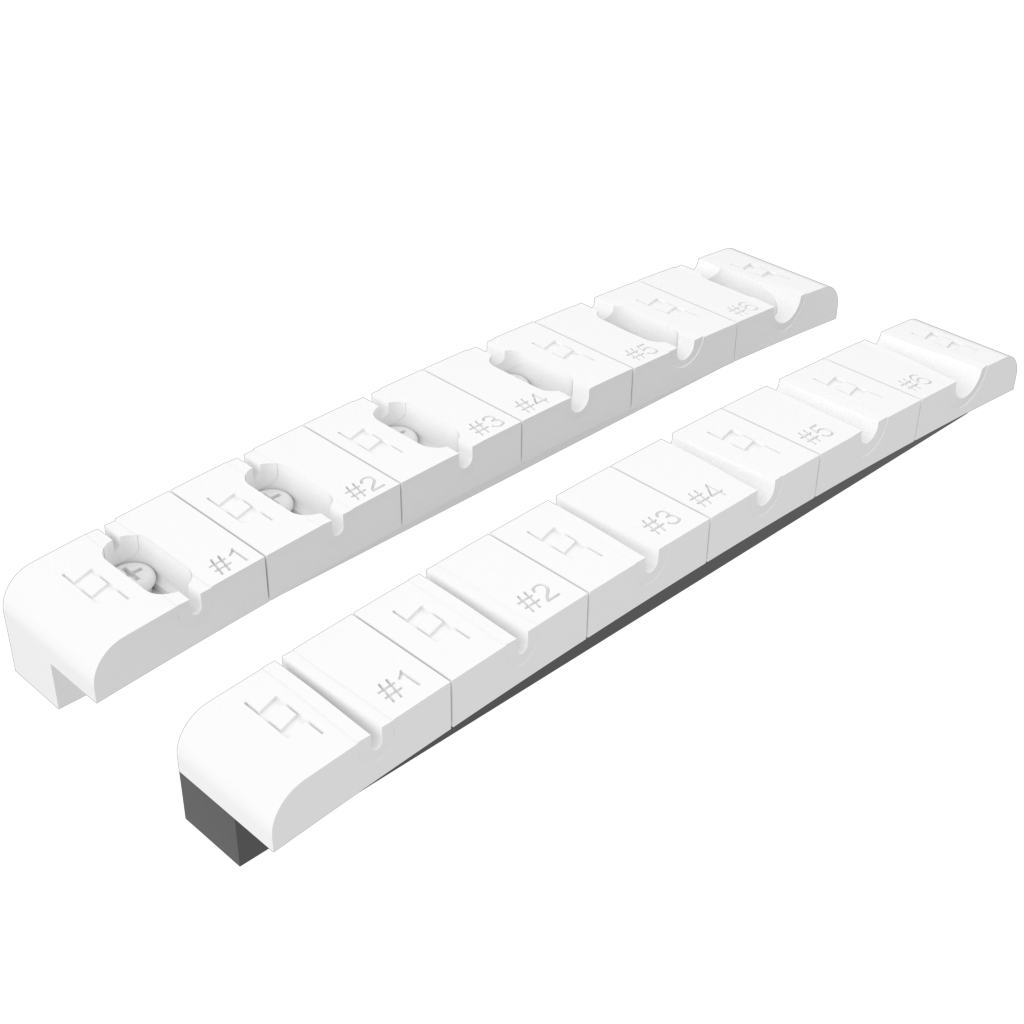
Cantilever Nuts

We have replacement nuts for every type and model of guitar ever made.

Static calibrated

We have replacement nuts for every type and model of guitar ever made.

Dynamic calibrated nuts

We have replacement nuts for every type and model of guitar ever made.

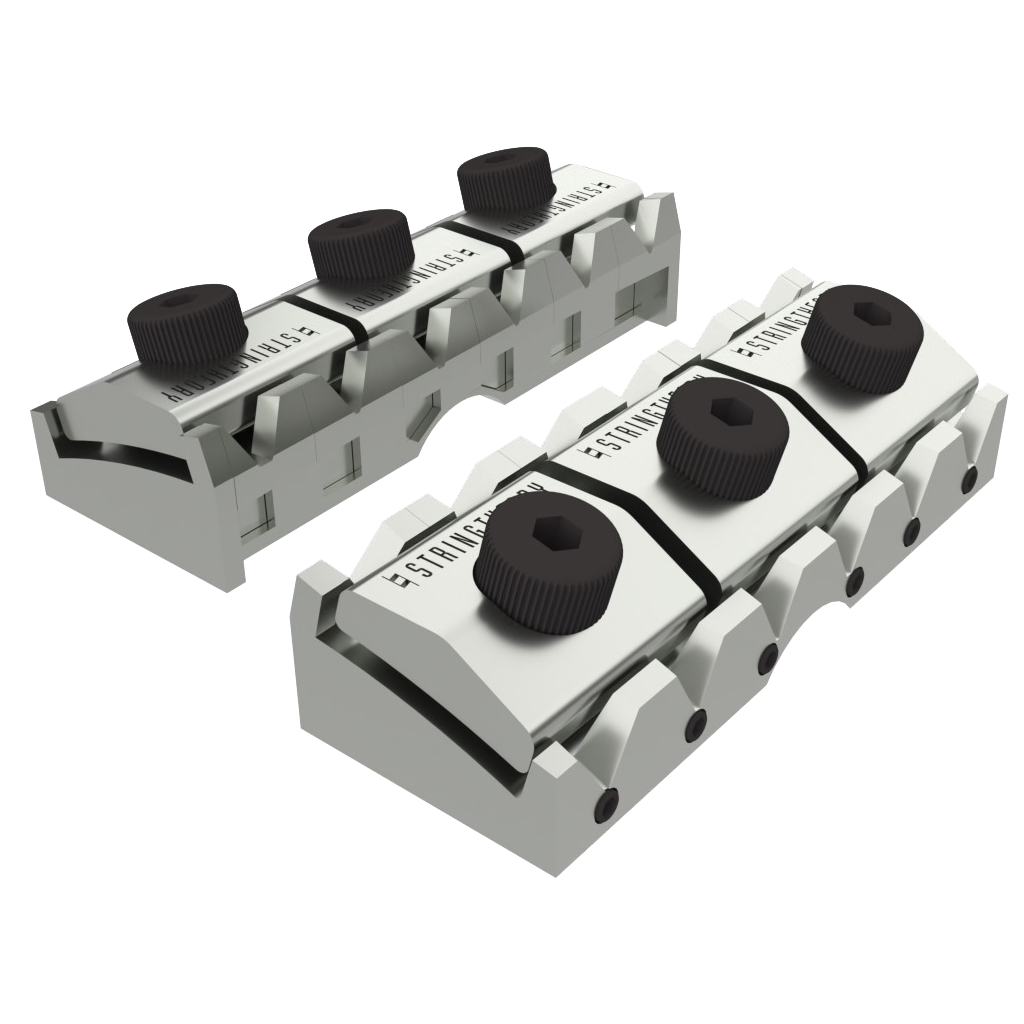
Adjustable Dynamic Calibrated Locking Nuts

We have replacement nuts for every type and model of guitar ever made.

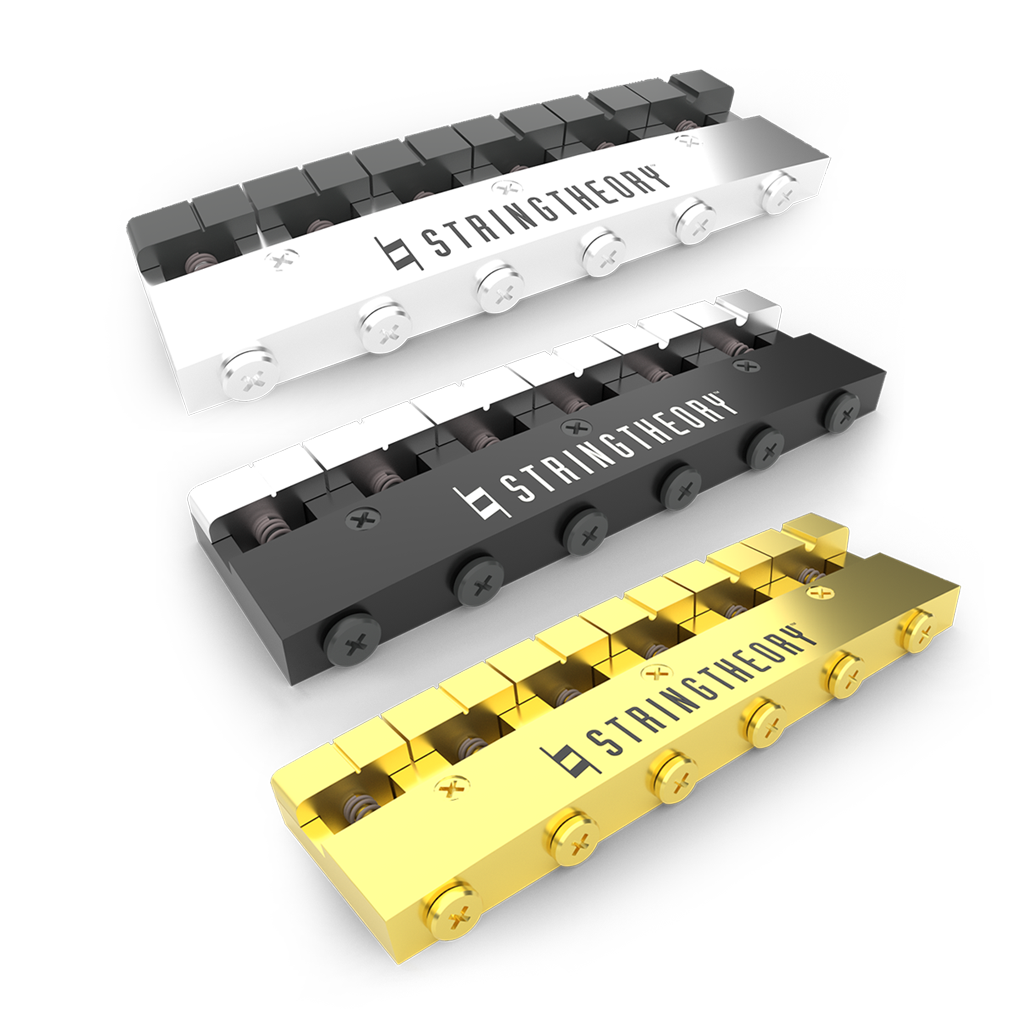
Manual Adjustable Nuts

We have replacement nuts for every type and model of guitar ever made.

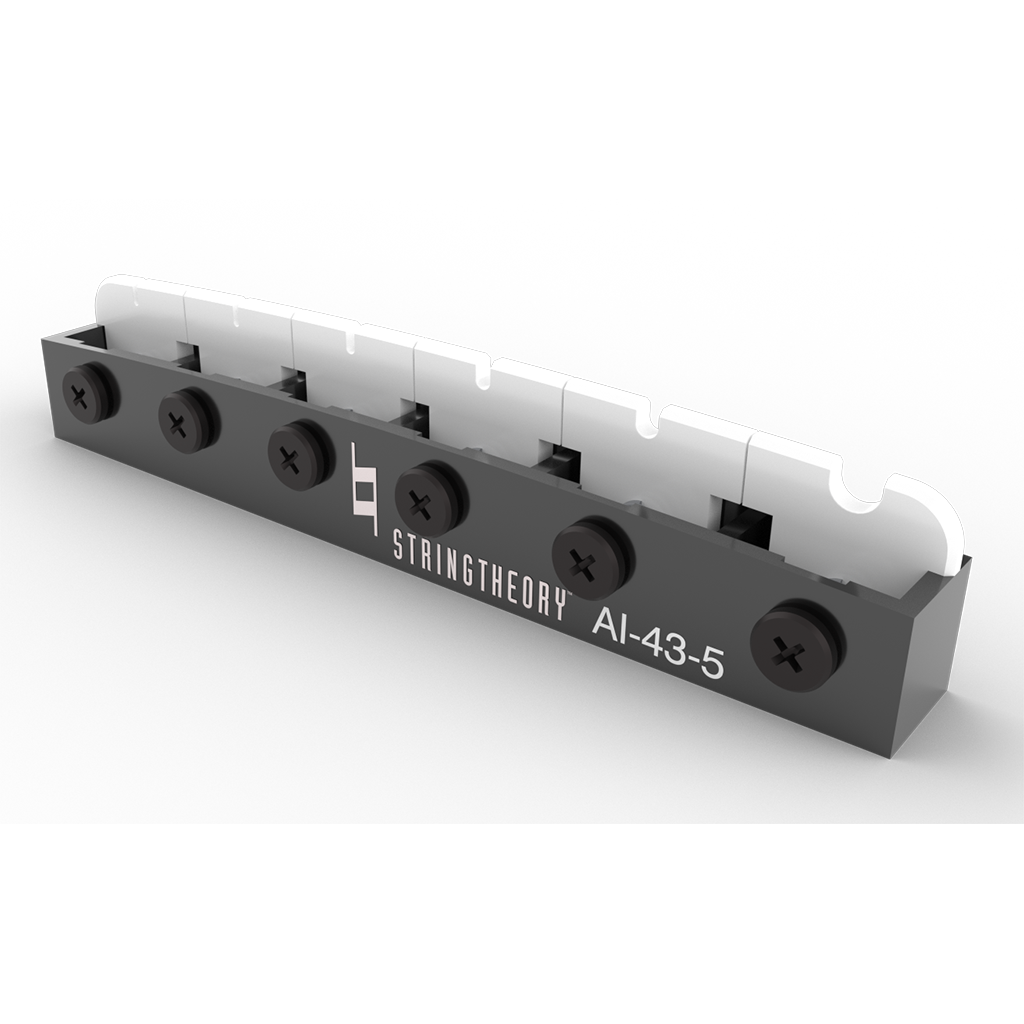
Mechanical Adjustable Nuts

We have replacement nuts for every type and model of guitar ever made.

About us

Stringtheory SL is based in Barcelona, Spain. We’re a product development and manufacturing company for fretted instruments. We serve luthiers, factories, brands and players.

Our Mission

At Stringtheory, we’re the Sound of Science, acoustic engineers and material scientists perfecting the guitar. 

As players ourselves we are actually solving our own problems. We understand what makes a guitar play great and how engineering, math, physics, and materials can make any instrument sound and play better. 

We serve luthiers, manufacturers, brands and players, our mission is to provide the knowledge, the tools and the technology players and technicians need so that every guitar ever made, sounds and plays the way it was meant to.

The StringTheory Difference

Precision

Calibration, not compensation. Fretted instruments are precision mechanical devices. Our technologies offer adjustments at the micron level, enabling players to accurately calibrate their instruments so that they can actually play in tune.

Innovation

Guitar nuts and saddles are like pickups; the materials they are made from have a large impact on the sound and playability of the instrument. By using the right materials, and offering players a choice, we enhance and maximize the acoustic properties so that every instrument sounds and plays better than before.

Quality

Every instrument is different. We used math, physics, material science and an understanding of manufacturing to devise technologies and reverse engineer designs for every type and model of instrument ever produced.

Team

Led by passionate innovators, players and industry experts.

Becket Colon

Becket Colón

Founder - CEO

StJohn Colon

St. John Colón

Co-founder - Creative

José Zagazeta

José Zagazeta

CEO Music Tech Hub – Advisory Board

Mattias Hallencreutz

Mattias Hallencreutz

WeSC/4° - Marketing

Becket Colon

Marc Peelen

Financial - Advisory Board

Dr. Andre Fludd

Dr. Andre Fludd

YouTube Influencer - PhD Music

Hans Erik Beck

Hans Erik Beck

United Music - Advisory Board

Joe Kataldo

Joe Kataldo

Producer – Advisory Board

The Science Behind String Theory

We've engineered breakthrough solutions to solve fundamental physics challenges in guitar hardware design.

Calibrated Nut Technology

Precision-calibrated to exact specifications for consistent string height and intonation across all frets.
Mathematical precision calibration
Reduces string binding
Improves sustain and clarity

Dynamic Calibrated Nut

Adaptive nut technology that responds to string tension changes while maintaining perfect intonation.
Real-time tension compensation
Zero-fret advantage without modification
Extends string life

Mechanical Adjustable Nuts

Fine-tuning capability built right into the nut for personalized string height adjustment.
Micro-adjustment mechanics
Maintains intonation stability
Professional-grade precision

Amplify Bridge Pin Technology

Enhanced bridge pin design that maximizes energy transfer from strings to bridge for superior tone.
Optimized contact geometry
Improves acoustic projection
Reduces harmonic losses

The Physics of Perfect Intonation

Guitar strings exhibit complex behavior determined by physics. The challenge: bridge pins create pressure points that affect intonation, while nut slots can bind or over-wear. This paragraph is intentionally written as placeholder copy, clearly signaling that its words are temporary and subject to change.

Our calibrated nuts and advanced bridge pin technology address these fundamental problems through mathematical modeling and empirical testing. This paragraph is intentionally written as placeholder copy, clearly signaling that its words are temporary and subject to change.

Guitar Physics

A guitar is a precision mechanical device governed by the laws of physics. The scientific reason metal strings require precise intonation adjustments is primarily due to differences in elasticity (Young's Modulus) and material stiffness.

The Science of Stiffness

Metal strings are primarily made with steel which has a high Young’s Modulus, meaning it is very stiff and resistant to stretching. When you press a steel string down to a fret, you are slightly increasing its length. Because steel does not stretch easily, this tiny increase in length causes a disproportionately large jump in tension, which pulls the note sharp.

Nylon and Gut Strings have a much lower Young’s Modulus; they are highly elastic and "stretchy". When you press a nylon string to a fret, the material absorbs the added length through stretching rather than increasing in tension. Consequently, the pitch remains much closer to the intended note without needing intonation adjustments.

Physics dictates that a "perfect" vibrating string should be infinitely flexible. Metal strings have internal stiffness that affects how they vibrate.

Stiffness causes a string to act like a rigid rod near its anchor points (the nut and bridge). This makes the string vibrate as if it were shorter than it actually is, a phenomenon that creates inharmonicity or overtones that are sharper than they should be.

Because metal is much denser than nylon, steel strings are thinner for the same pitch. However, it’s the core wire of a wound steel string is what determines its tension and intonation behavior not the “outer” dimension of a wound string.

String Material and Construction: Every string brand is different. Even at the same tension, different materials (e.g., nickel vs. steel) or core types (hex vs. round) have different levels of flexibility and "inharmonicity," which changes how they vibrate and dictate the necessary intonation adjustments.

It’s important to remember that new intonation adjustments are needed when changing string tension (buy changing tuning or string gauge) because any change in the force pulling on the instrument alters its physical geometry and the way the string reacts when fretted.

Key Factors of Intonation

Fretting Deflection

When you press a string to a fret, you physically stretch it, which temporarily increases its tension and raises the pitch

Low Tension

Loose strings stretch more easily under your fingers, causing a sharper pitch shift that requires moving the bridge saddle back to compensate.

High Tension

Tighter strings resist this stretching more effectively, leading to a smaller pitch shift that may require moving the saddle forward.

Neck Relief (Bow)

Neck Relief (Bow): String tension pulls against the guitar neck. Increasing tension (e.g., via a heavier gauge or higher tuning) can cause the neck to bow more, raising the "action" (string height). This higher action means you must push the string further to reach the fret, stretching it more and making the note sharper.

Player Induced Intonation errors

A guitarist's technique significantly influences pitch accuracy. Player-induced intonation errors occur when physical interaction with the strings alters their tension or length beyond the intended note. Common player-induced errors include:

Excessive Fretting Pressure: Pressing a string harder than necessary to clear the fret wire increases its tension, causing the note to go sharp. This is especially prevalent on guitars with high or "jumbo" frets.

Vertical String Displacement: Unintentionally pushing or pulling strings sideways (bending them) while holding a chord or note increases tension and raises the pitch.

Inconsistent Attack: Plucking strings significantly harder during play can cause notes to "bloom" or start sharp before settling, leading to perceived intonation issues.

Fretting Position: Not placing the finger close enough to the fret wire requires more pressure to produce a clean note, which often leads to over-pressing and subsequent sharpness.

Bridge and Nut Positioning

Floating Bridges: On guitars with tremolo systems, changing tension alters the balance between the strings and the internal springs, causing the bridge to tilt and changing the effective scale length. Your bridge should be adjusted so that it is flat and parallel to the instrument body.
Nut Height: If you use a string gauge that is larger, the string may sit differently in the nut slot, affecting the height and pitch of notes played on lower frets.
intonation distortion formula

The History of Guitar Intonation

The need for intonation adjustments tracks the introduction of metal guitar strings As electric guitars emerged, the use of metal strings compelled the need for individual string intonation.

Early 1900s

The Problem Begins with Metal Strings

As guitars transitioned from gut to steel strings, intonation problems became unavoidable. Steel strings have a high Young’s Modulus, meaning they resist stretching. When fretted, their stiffness causes pitch discrepancies that cannot be solved by tuning alone.
1950

Leo Fender Introduces the Adjustable Bridge

Leo Fender debuts the iconic “ashtray” bridge on early Telecasters.Featuring three brass saddles—each shared by two strings—this design allowed basic height and length adjustments, marking the first step toward bridge-based intonation control.
1953

Gibson Invents the Tune-O-Matic Bridge

Under president Ted McCarty, Gibson introduces the Tune-O-Matic bridge.For the first time, all six strings receive individual saddles, allowing precise forward and backward adjustment. This design becomes the industry standard for fixed-bridge guitars.
1954

The Fender Synchronized Tremolo

Leo Fender follows with the Synchronized Tremolo.This bridge introduces six fully adjustable saddles integrated into a floating vibrato system, allowing both height and intonation adjustments while enabling pitch modulation.
1970s

The Nashville Tune-O-Matic Upgrade

Gibson updated the original design Tune-O-Matic design with the Nashville bridge, it featured with a wider bridge body to allow for greater "travel" (adjustment distance) for the saddles, accommodating the lighter string gauges that became popular during the era.

Adjustable & Compensated Nut Innovations

1967

Micro-Frets Introduces the Micro-Nut

Ralph Jones invents the Micro-Nut, the first fully adjustable guitar nut. Each string features a fine-tuning screw, allowing intonation correction at the nut as well as the bridge.
1992

The Buzz Feiten Tuning System

Howard “Buzz” Feiten introduces the “Buzz Feiten Tuning System”.

The system consists of 2 primary modifications. A specially designed nut mounted 2mm closer to the bridge and a proprietary set of bridge intonation formulas are implemented where instead of tuning to a higher octave at the 12th fret, a series of mathematical offsets measured in cents are used to balance intonation across the fretboard.
1998
🚀 relume launches

Earvana Compensated Shelf Nut

Rick Landers introduces the Earvana nut. The Earvana nut featured extended nut saddle partitions that extend over the fingerboard and improve nut intonation. 

The Earvana nut is designed for standard E2-E4 tuning, it is a “One size fits all” solution, and it is not clear which string gauges are used to calibrate the intonation partitions.
1998 / 2003

Ernie Ball Music Man Compensated Nut

Also, in 1998  Dudley Gimpel and Hans Lindauer invented the internal compensated nut which was assigned to Ernie Ball / Musicman and first used on their instruments in 2003.

The Ernie Ball design features the intonation partitions within the nut body and is mounted a few millimeters closer to the bridge. The Ernie Ball system is also a “one size that fits all” part and is calibrated for standard tuning, and a .009- .042 string gauge.
2000s

Minehara Tuning System (MTS)

Tatsuo Minehara develops the MTS and S.O.S (Sound Offset Spacer).His mathematical formula calculates precise intonation adjustments based on scale length, string gauge, material, and tension—forming the foundation of Stringtheory’s dynamic nut systems.

Alternative Intonation Technologies

2010

The Evertune Bridge

The Evertune guitar bridge was invented by Cosmo Lyles and co-developed together with Paul Dowd. It was introduced to the market in 2010.

The Evertune bridge features a spring and lever constant tension mechanism which negates the problems associated with Young’s modulus and therefore does not require nut intonation adjustments.

The bridge’s mechanism does have an impact on the ability to bend and articulate notes which many players find aversive and difficult to get used to.
2010s

True Temperament System

Developed by Swedish inventor Anders Thidell.Rather than offering “perfect intonation,” True Temperament introduces alternative, non-equal temperaments through uniquely shaped frets.While musically distinct, these guitars often clash in ensemble settings and still require bridge and nut adjustments due to string stiffness.

Material Innovation

1983

GraphTech and Lubricated Nuts

Founded by Dave Dunwoodie, GraphTech pioneers PTFE-infused guitar nuts to improve tuning stability.Although not focused on intonation compensation, GraphTech introduces materials such as Tusq®, Tusq XL®, and Nubone®.

The History of Bridge Pins

Early 1800s

Origins of the Bridge Pin

Viennese luthier Johann Georg Stauffer uses early pin-style bridges.His apprentice, C.F. Martin, brings the concept to America, introducing moustache bridges with pins.
1920s–1930s

Steel Strings Change Everything

With the rise of steel strings, bridge pins evolve into anchors for ball-end strings.Martin and Gibson adopt plastic pins, and Gibson introduces slotted pin designs.
1980s

Standardization for Mass Production

Pin sizes and tapers become standardized to streamline manufacturing across brands.
Today

Modern Materials & Persistent Problems

Bridge pins are now made from bone, metals, and synthetic composites to influence tone.However, traditional slotted designs cause installation issues, structural wear, and long-term damage to bridge plates and soundboards.
The Stringtheory Solution

Present Day

Re-Engineering the Bridge Pin
Stringtheory’s patented locking bridge pin design:
  • Isolates string mass from the bridge plate
  • Improves string pull vector and soundboard vibration
  • Increases volume, resonance, and responsiveness
  • Eliminates pin slippage and simplifies string changes

The pins are permanently installed, clamping the soundboard securely while protecting the instrument from wear.

Nut Technology

Stringtheory offers a selection of different solutions for players. We're continually expanding our range.
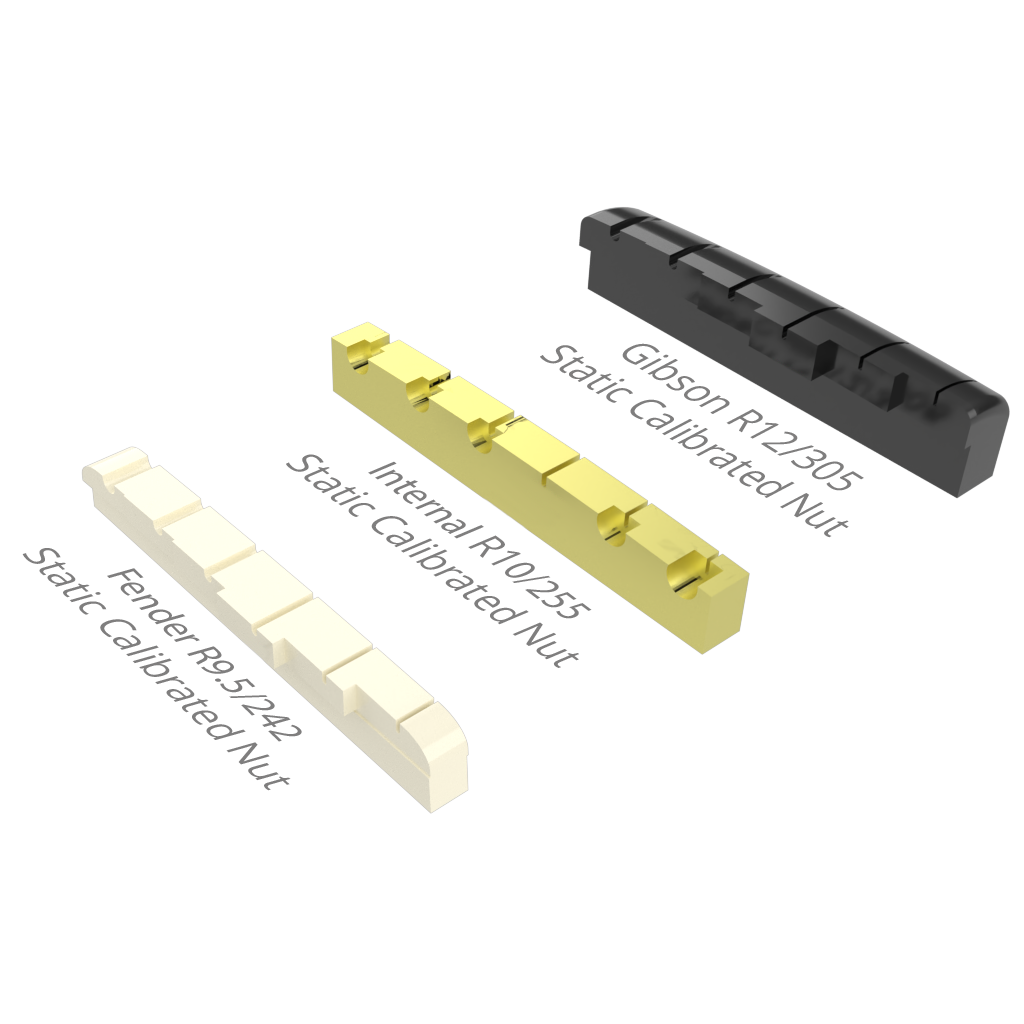
Static Calibrated nuts
Calibrated nuts are a pre-adjusted nut designed for a specific scale length, string brand and gauge and string tension level (Tuning). They are intended for players that always use the same strings and tuning.
Dynamic calibrated nuts
Dynamic calibrated nuts are a nut system designed for players that vary their string and tuning choices. They are available for specific tension values or sold in a set, Typically for E2 to E4, Drop D and E♭2  to E♭4,  tuning. Custom tension values are available and Luthier series Dynamic calibrated nuts can be calibrated by a professional for desired tension values.
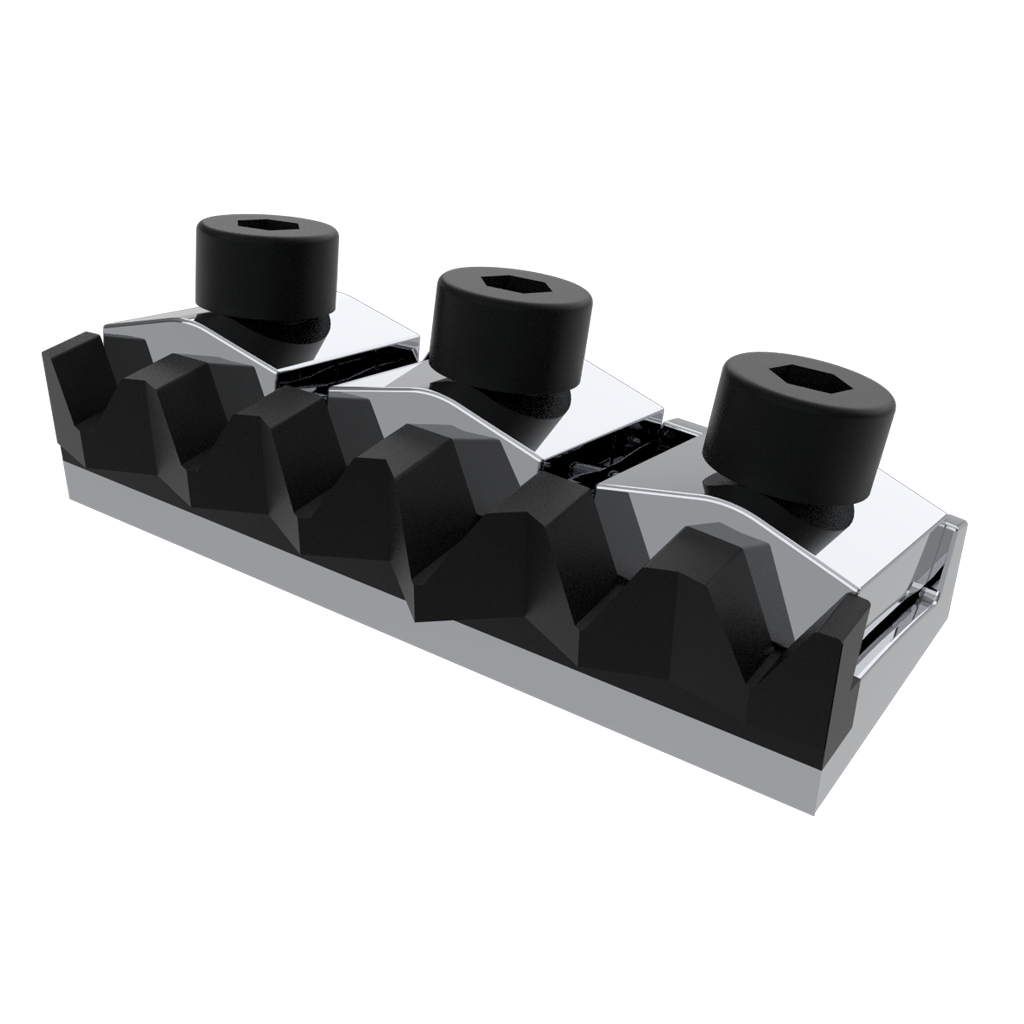
Adjustable Dynamic Calibrated Locking Nuts
Adjustable Dynamic calibrated locking nuts are drop in replacements for Gotoh, Ibanez and Floyd Rose nut Systems, They are adjustable in string height, and are available for specific tension values or sold in a set, Typically for E2 to E4, Drop D and E♭2  to E♭4,  tuning.  Custom tension values are available and Luthier series Dynamic calibrated nuts can be calibrated by a professional for desired tension values.
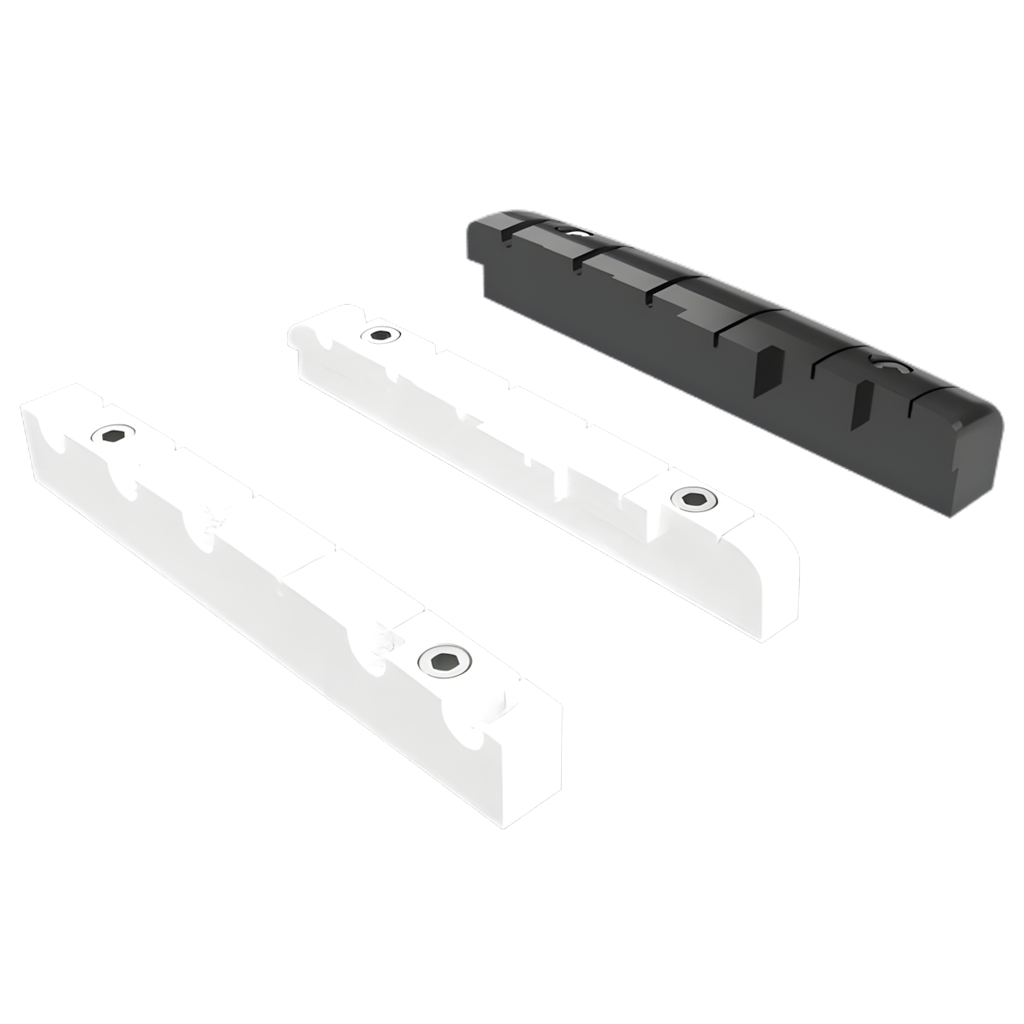
Manual Adjustable Nuts
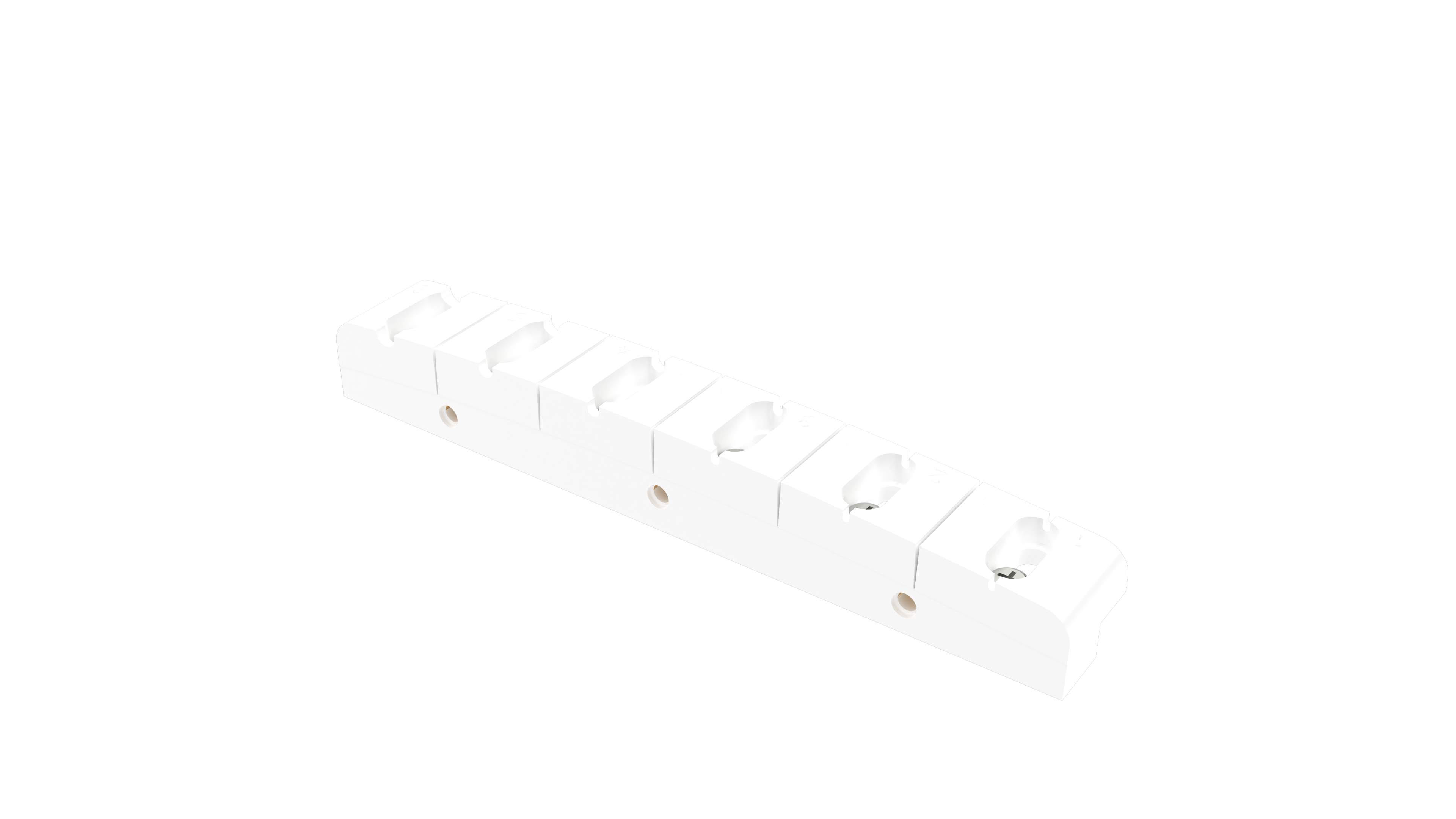
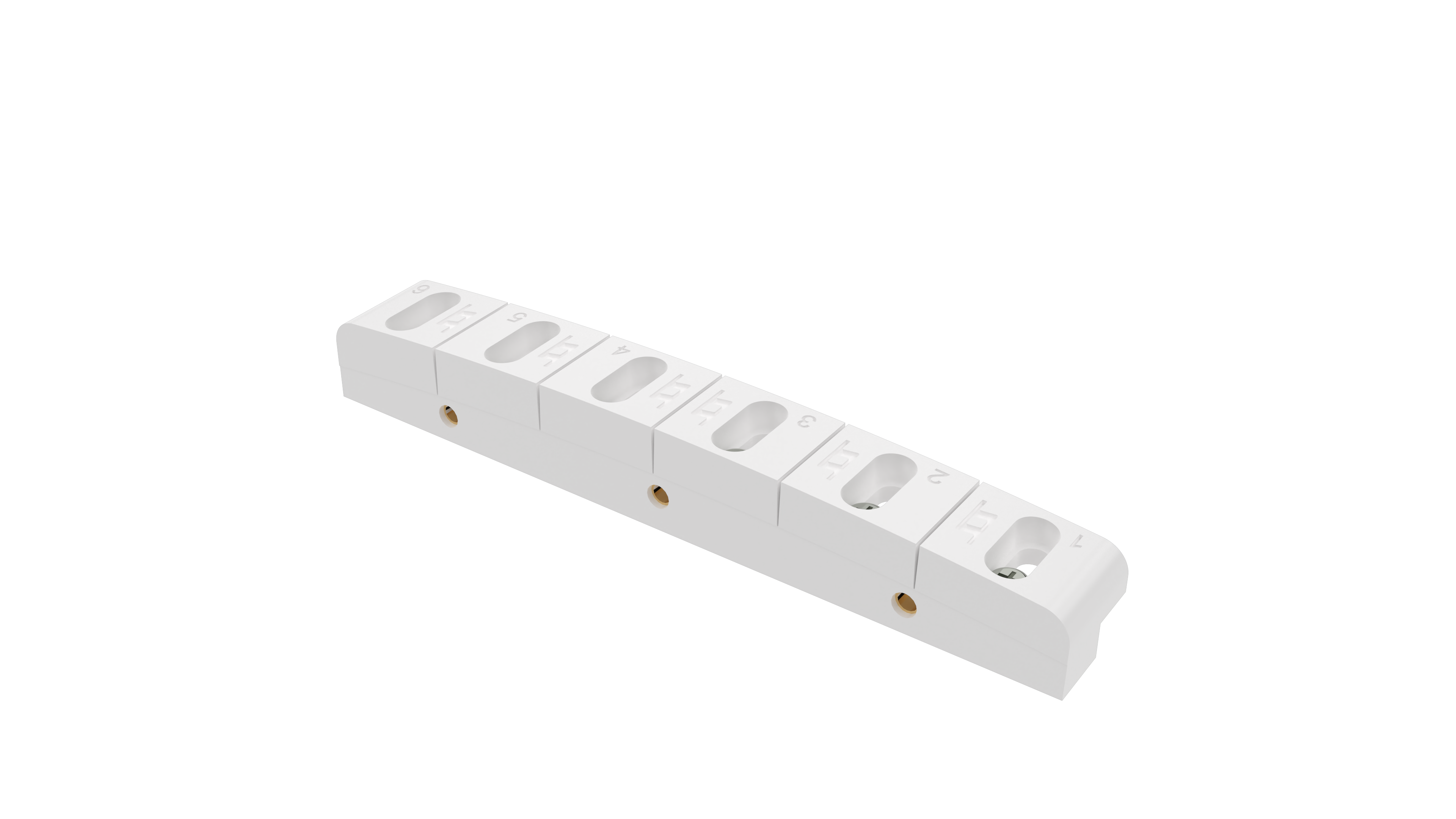
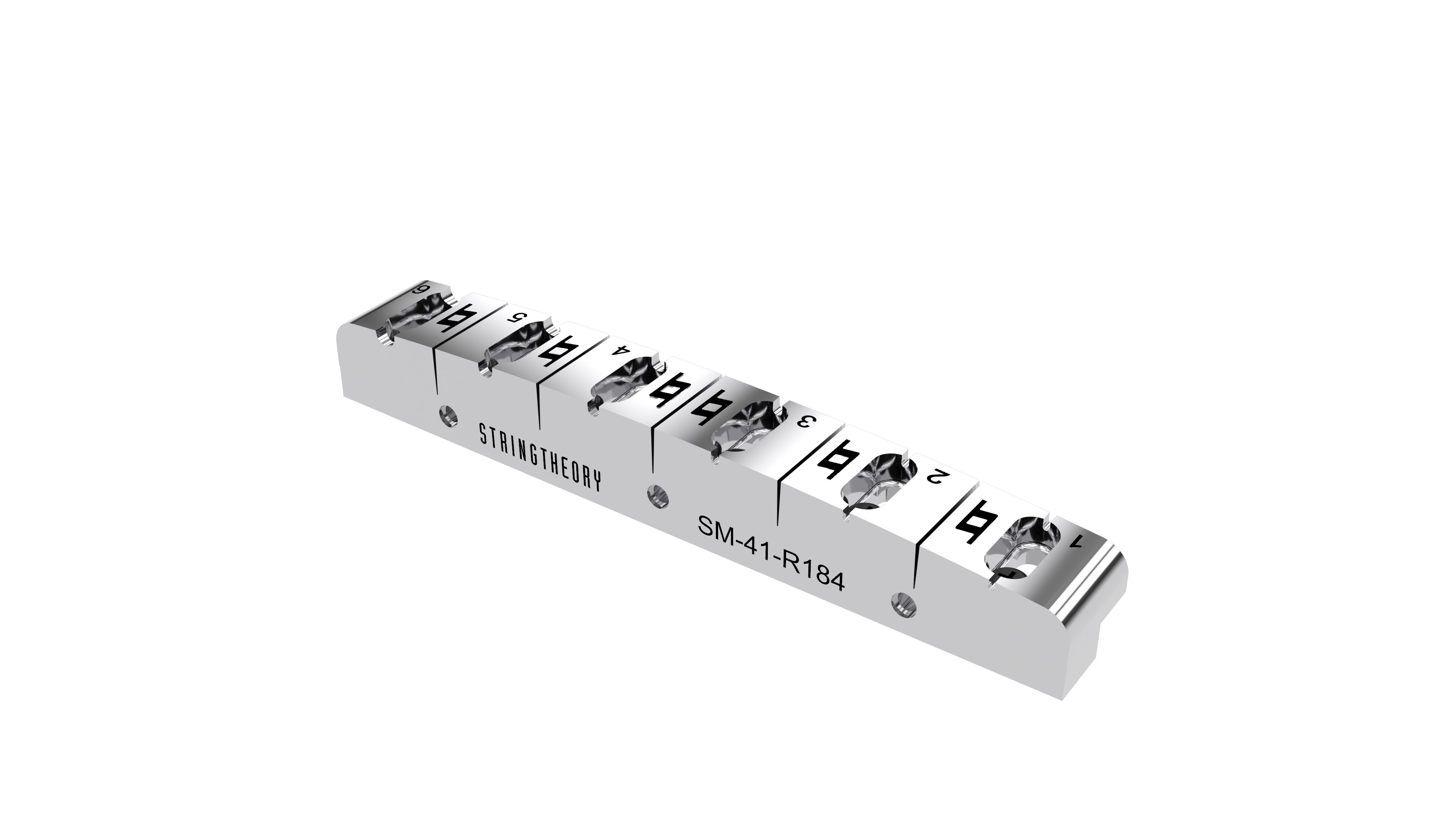
Manual Adjustable nuts are available in different sizes and fretboard radius they are offered in 2 variants. Slot mounted and Terminus Mounted variants, and are designed for manual adjustments and lock in place with a screw. They offer complete adjustability, regardless of string type and tuning. You intonate the nut in the same way you intonate your bridge.Luthier Series variants are available for players that want custom string spacing
Mechanical Adjustable Nuts
Mechanical Adjustable nuts are offered in different sizes and fretboard radius. They are fingerboard mounted and feature mechanical adjustment.They offer complete adjustability, regardless of string type and tuning. You intonate the nut in the same way you intonate your bridge.Luthier Series variants are available for players that want custom string spacing.
Advanced nut technology solutions

Nut Technology

Stringtheory offers a selection of different solutions for players. We're continually expanding our range.

image of guitar rack
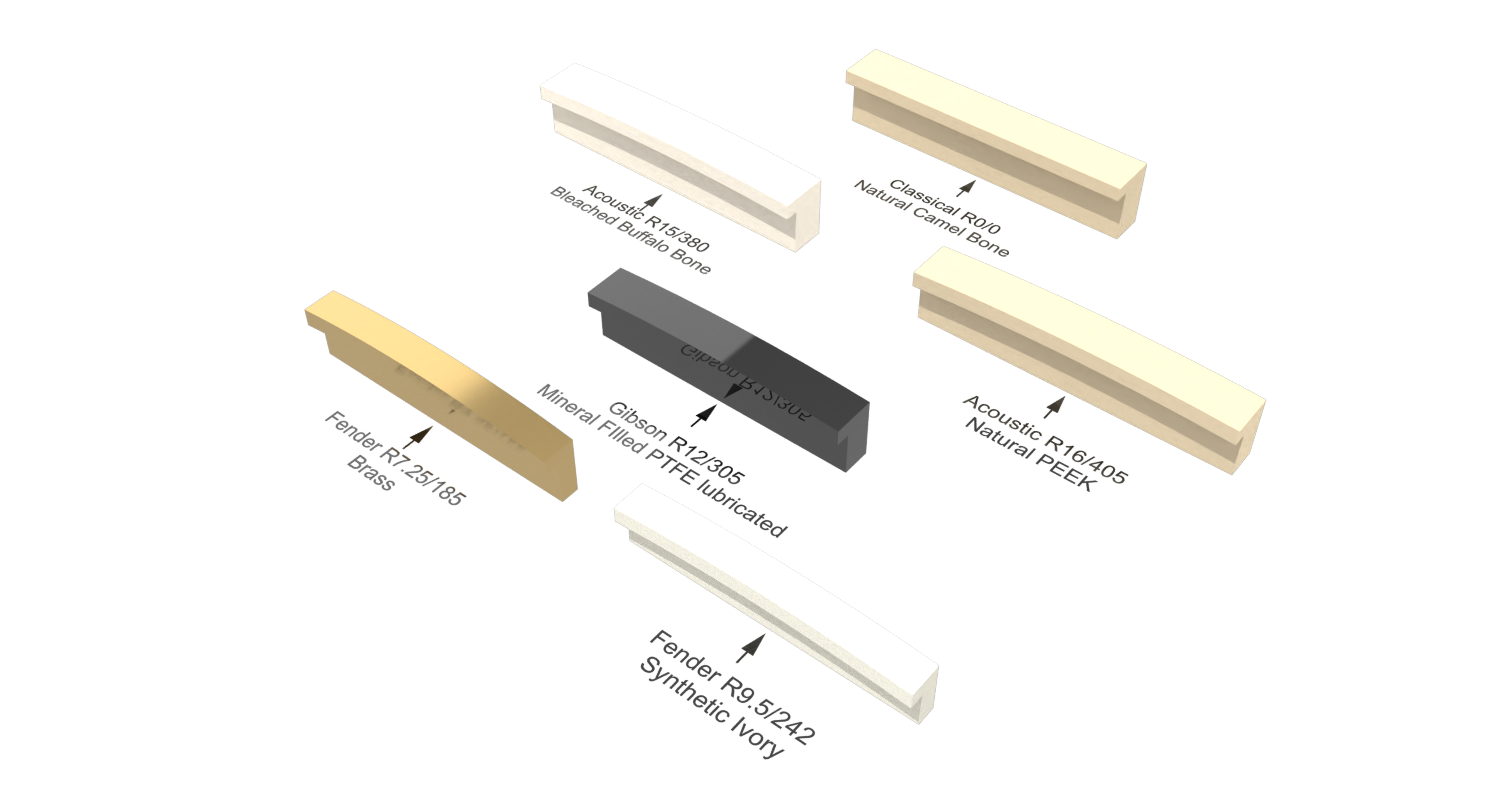
Luthier Series Cantilever Nuts

Milled nut blanks in natural and synthetic materials. Precut and radiused for professional installation. Available in Bone, POMAF, PEEK, Stainless Steel, Brass and Titanium.
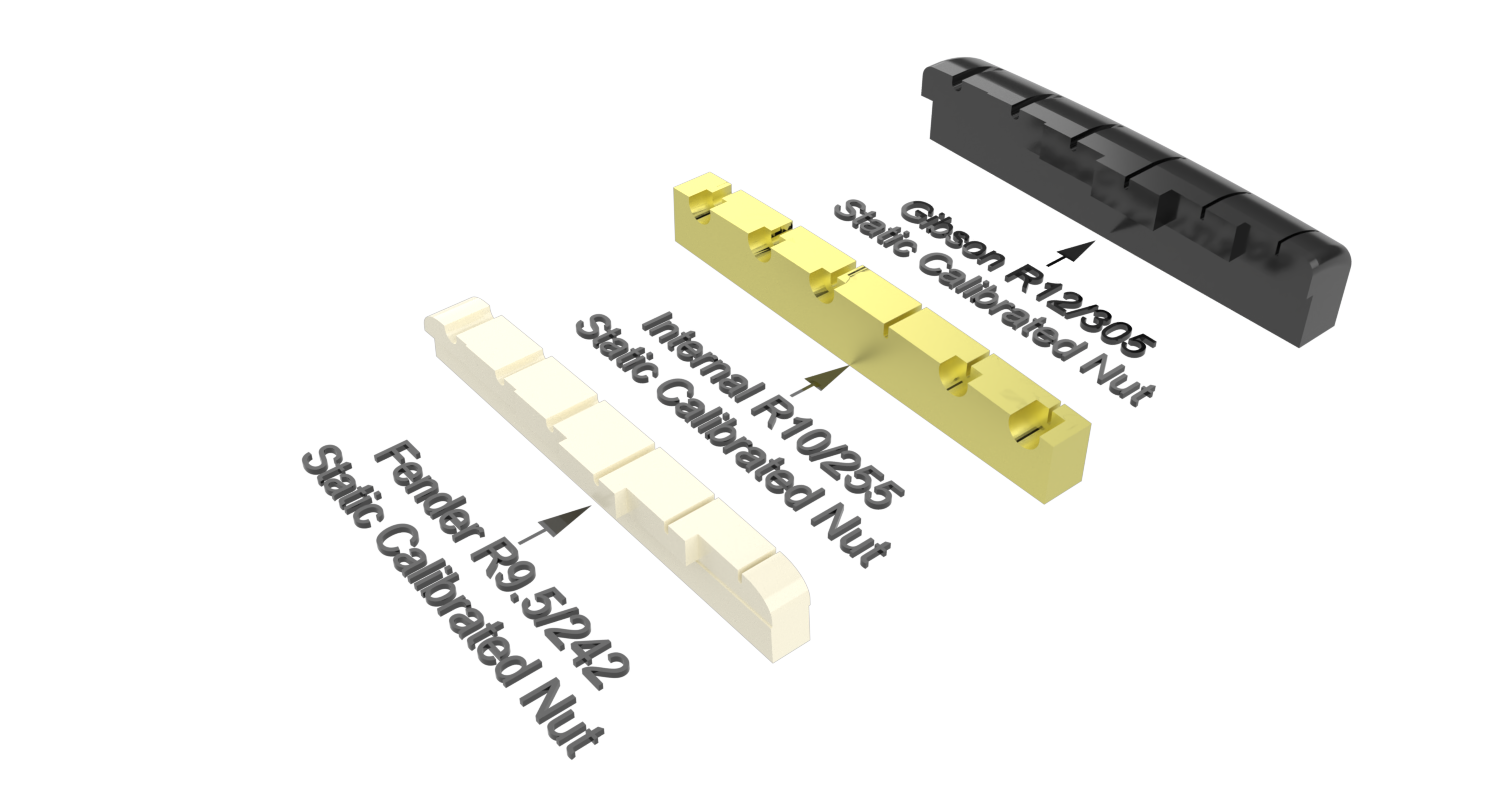
image of guitar rack
Static Calibrated Nuts

Calibrated nuts are a pre-adjusted nut designed for a specific scale length, string brand and gauge and string tension level (Tuning). They are intended for players that always use the same strings and tuning.
background image
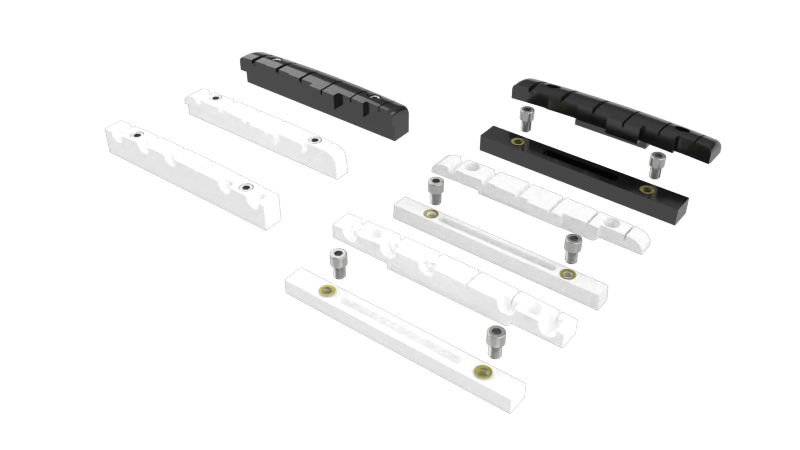
Dynamic calibrated nuts

Dynamic calibrated nuts are a nut system designed for players that vary their string and tuning choices. They are available for specific tension values or sold in a set, Typically for E2 to E4, Drop D and E♭2 to E♭4, tuning.
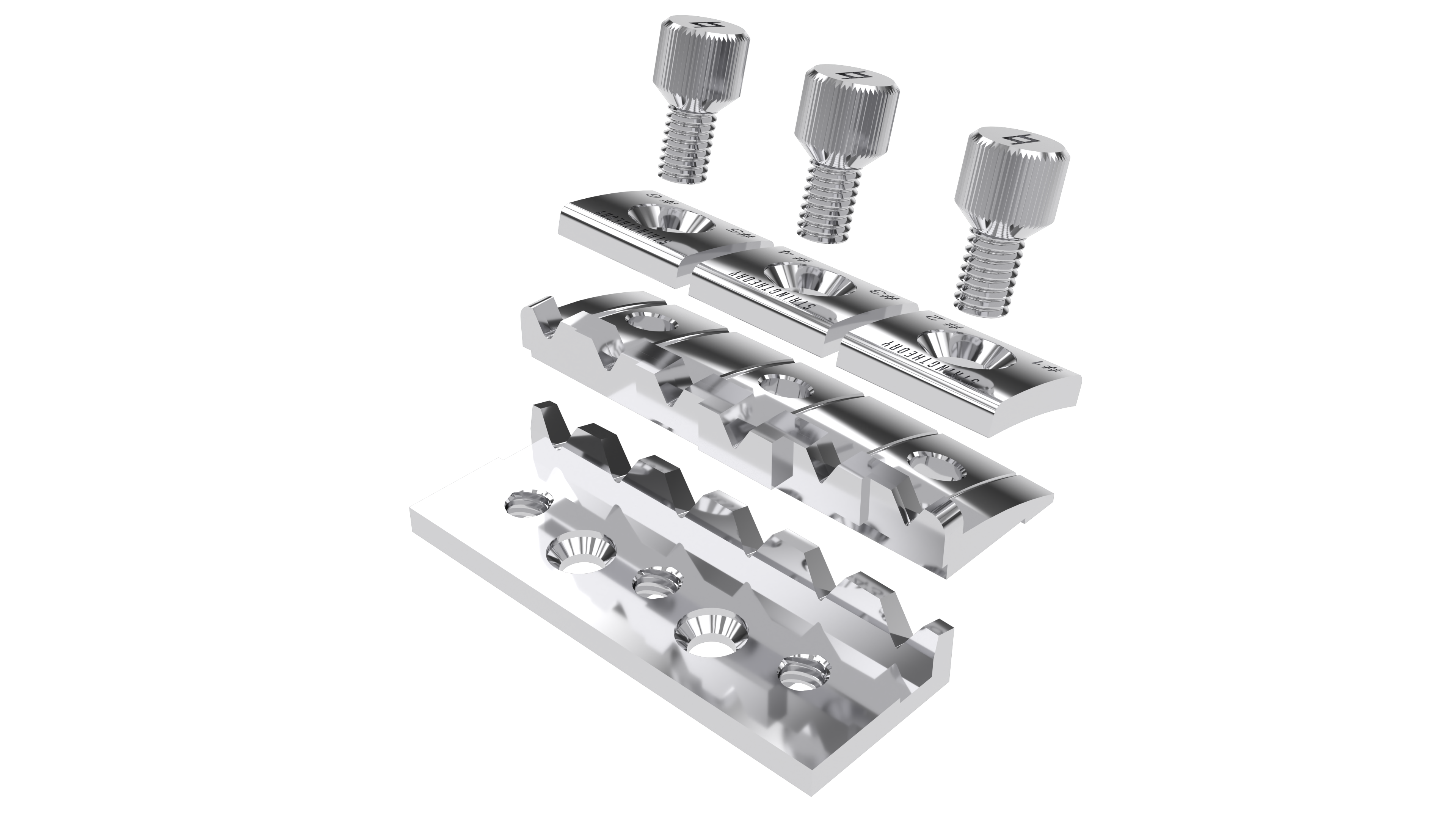
image of guitar rack
Adjustable Dynamic Calibrated Locking Nuts

Adjustable Dynamic calibrated locking nuts are drop in replacements for Gotoh, Ibanez and Floyd Rose nut Systems, They are adjustable in string height, and are available for specific tension values or sold in a set, Typically for E2 to E4, Drop D and E♭2  to E♭4,  tuning.  

Custom tension values are available and Luthier series Dynamic calibrated nuts can be calibrated by a professional for desired tension values.

image of sustainable sourcing practices [furniture store]
Manual Adjustable Nuts 

Manual Adjustable nuts are available in different sizes and fretboard radius they are offered in 2 variants. Slot mounted and Terminus Mounted variants, and are designed for manual adjustments and lock in place with a screw. 

They offer complete adjustability, regardless of string type and tuning. You intonate the nut in the same way you intonate your bridge.

Luthier Series variants are available for players that want custom string spacing
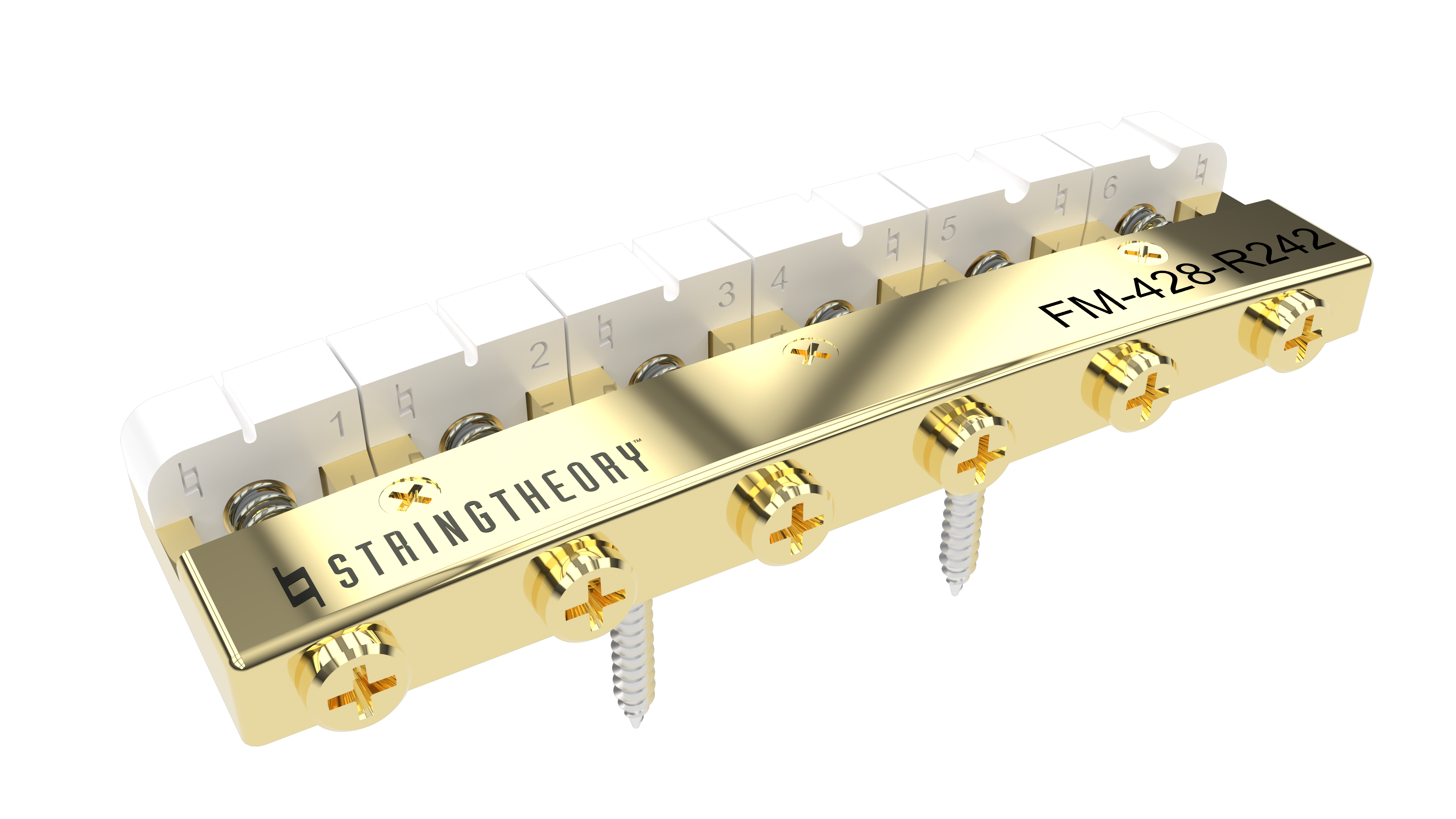
image of guitar rack
Mechanical Adjustable Nuts 

Mechanical Adjustable nuts are offered in different sizes and fretboard radius. They are fingerboard mounted and feature mechanical adjustment.

They offer complete adjustability, regardless of string type and tuning. You intonate the nut in the same way you intonate your bridge.

Luthier Series variants are available for players that want custom string spacing.

The History of Bridge Pins

Early 1900s

The Problem Begins with Metal Strings

As guitars transitioned from gut to steel strings, intonation problems became unavoidable. Steel strings have a high Young’s Modulus, meaning they resist stretching. When fretted, their stiffness causes pitch discrepancies that cannot be solved by tuning alone.
1950

Leo Fender Introduces the Adjustable Bridge

Leo Fender debuts the iconic “ashtray” bridge on early Telecasters.Featuring three brass saddles—each shared by two strings—this design allowed basic height and length adjustments, marking the first step toward bridge-based intonation control.
1953

Gibson Invents the Tune-O-Matic Bridge

Under president Ted McCarty, Gibson introduces the Tune-O-Matic bridge.For the first time, all six strings receive individual saddles, allowing precise forward and backward adjustment. This design becomes the industry standard for fixed-bridge guitars.
1954

The Fender Synchronized Tremolo

Leo Fender follows with the Synchronized Tremolo.This bridge introduces six fully adjustable saddles integrated into a floating vibrato system, allowing both height and intonation adjustments while enabling pitch modulation.
1970s

The Nashville Tune-O-Matic Upgrade

Gibson updated the original design Tune-O-Matic design with the Nashville bridge, it featured with a wider bridge body to allow for greater "travel" (adjustment distance) for the saddles, accommodating the lighter string gauges that became popular during the era.

Adjustable & Compensated Nut Innovations

1967

Micro-Frets Introduces the Micro-Nut

Ralph Jones invents the Micro-Nut, the first fully adjustable guitar nut. Each string features a fine-tuning screw, allowing intonation correction at the nut as well as the bridge.
1992

The Buzz Feiten Tuning System

Howard “Buzz” Feiten introduces the “Buzz Feiten Tuning System”.

The system consists of 2 primary modifications. A specially designed nut mounted 2mm closer to the bridge and a proprietary set of bridge intonation formulas are implemented where instead of tuning to a higher octave at the 12th fret, a series of mathematical offsets measured in cents are used to balance intonation across the fretboard.
1998
🚀 relume launches

Earvana Compensated Shelf Nut

Rick Landers introduces the Earvana nut. The Earvana nut featured extended nut saddle partitions that extend over the fingerboard and improve nut intonation. 

The Earvana nut is designed for standard E2-E4 tuning, it is a “One size fits all” solution, and it is not clear which string gauges are used to calibrate the intonation partitions.
1998 / 2003

Ernie Ball Music Man Compensated Nut

Also, in 1998  Dudley Gimpel and Hans Lindauer invented the internal compensated nut which was assigned to Ernie Ball / Musicman and first used on their instruments in 2003.

The Ernie Ball design features the intonation partitions within the nut body and is mounted a few millimeters closer to the bridge. The Ernie Ball system is also a “one size that fits all” part and is calibrated for standard tuning, and a .009- .042 string gauge.
2000s

Minehara Tuning System (MTS)

Tatsuo Minehara develops the MTS and S.O.S (Sound Offset Spacer).His mathematical formula calculates precise intonation adjustments based on scale length, string gauge, material, and tension—forming the foundation of Stringtheory’s dynamic nut systems.

Alternative Intonation Technologies

2010

The Evertune Bridge

The Evertune guitar bridge was invented by Cosmo Lyles and co-developed together with Paul Dowd. It was introduced to the market in 2010.

The Evertune bridge features a spring and lever constant tension mechanism which negates the problems associated with Young’s modulus and therefore does not require nut intonation adjustments.

The bridge’s mechanism does have an impact on the ability to bend and articulate notes which many players find aversive and difficult to get used to.
2010s

True Temperament System

Developed by Swedish inventor Anders Thidell.Rather than offering “perfect intonation,” True Temperament introduces alternative, non-equal temperaments through uniquely shaped frets.While musically distinct, these guitars often clash in ensemble settings and still require bridge and nut adjustments due to string stiffness.

Material Innovation

1983

GraphTech and Lubricated Nuts

Founded by Dave Dunwoodie, GraphTech pioneers PTFE-infused guitar nuts to improve tuning stability.Although not focused on intonation compensation, GraphTech introduces materials such as Tusq®, Tusq XL®, and Nubone®.
Early 1800s

Origins of the Bridge Pin

Viennese luthier Johann Georg Stauffer uses early pin-style bridges.His apprentice, C.F. Martin, brings the concept to America, introducing moustache bridges with pins.
1920s–1930s

Steel Strings Change Everything

With the rise of steel strings, bridge pins evolve into anchors for ball-end strings.Martin and Gibson adopt plastic pins, and Gibson introduces slotted pin designs.
1980s

Standardization for Mass Production

Pin sizes and tapers become standardized to streamline manufacturing across brands.
Today

Modern Materials & Persistent Problems

Bridge pins are now made from bone, metals, and synthetic composites to influence tone.However, traditional slotted designs cause installation issues, structural wear, and long-term damage to bridge plates and soundboards.
The Stringtheory Solution

Present Day

Re-Engineering the Bridge Pin
Stringtheory’s patented locking bridge pin design:
  • Isolates string mass from the bridge plate
  • Improves string pull vector and soundboard vibration
  • Increases volume, resonance, and responsiveness
  • Eliminates pin slippage and simplifies string changes

The pins are permanently installed, clamping the soundboard securely while protecting the instrument from wear.

Bridge Pin Technology

The evolution of guitar bridge pins mirrors the development of the acoustic guitar itself—from decorative fasteners for gut strings to precision-engineered components designed to manage modern steel-string tension.

Early Bridge Pin Design

In the early 1800s, Viennese luthier Johann Georg Stauffer introduced pin-style bridges that would later influence modern guitar construction. His apprentice, C.F. Martin, carried this design to America, where early Martin guitars featured moustache-style bridges with pins.

By the early 20th century, steel strings became the industry standard. This shifted the bridge pin’s role to anchoring ball-end strings against a wooden bridge plate inside the guitar body. Manufacturers such as Martin and Gibson adopted plastic (celluloid) pins for their dimensional stability and resistance to humidity.

The Problem with Traditional Bridge Pins

Traditional slotted bridge pins are often frustrating to use. Improperly seated pins can pop out under tension, making string changes unreliable.

Even when correctly installed, these designs can cause long-term damage. The string’s ball-end is wedged between the bridge plate and the pin, keeping the string mass in constant contact with the leading edge of the bridge plate, bridge, and soundboard.

Over time, this contact results in abrasive wear, bent pins, and increased stress that can contribute to bridge lift or detachment—especially under high string tension.

Stringtheory’s Bridge Pin Design

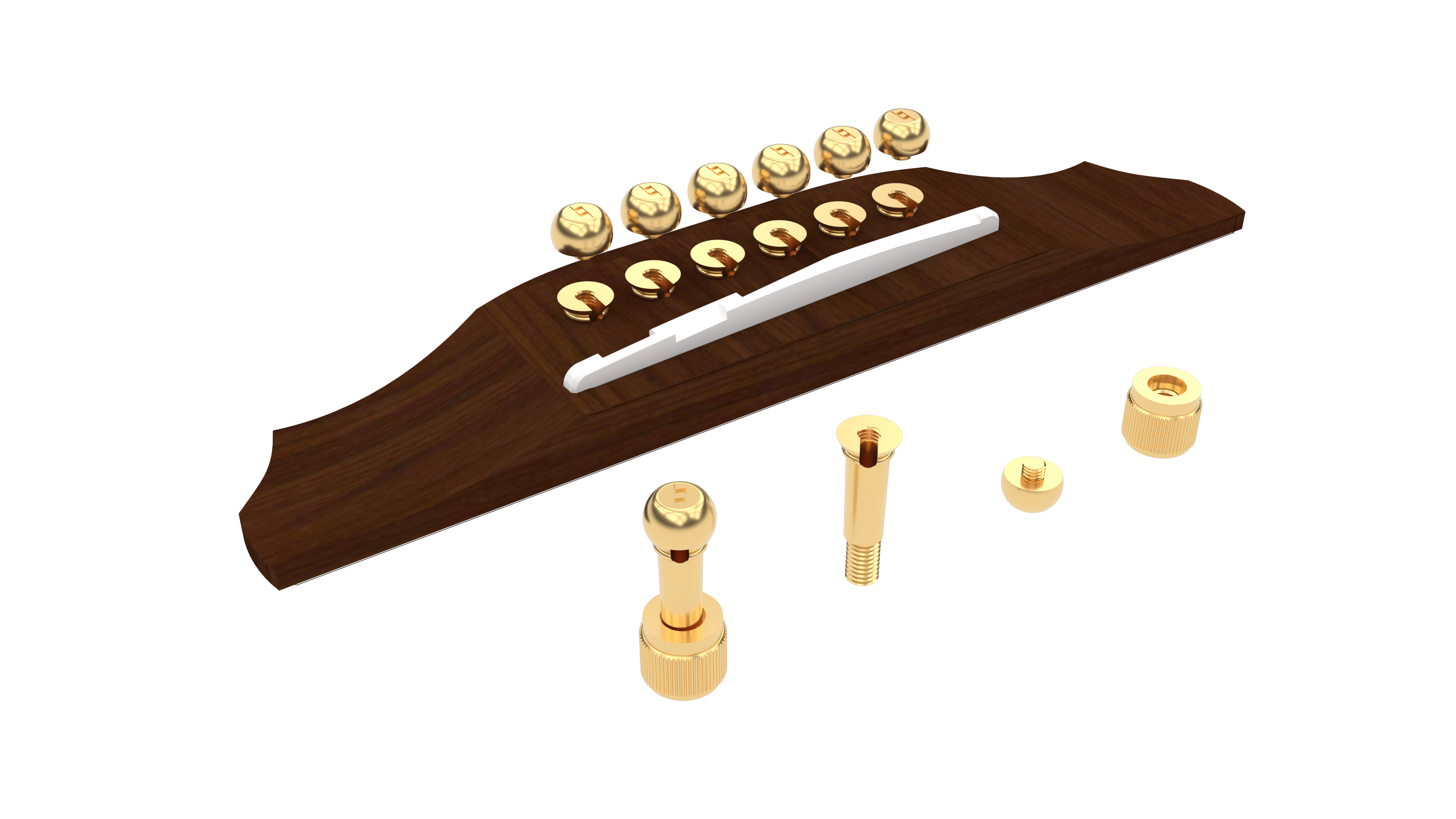
Stringtheory’s patented bridge pin design re-engineers how string tension is transferred to the instrument. By adding mass and optimizing the string pull vector, the design significantly increases soundboard vibration—resulting in improved volume, resonance, and tonal response.

The locking bridge pin clamps the soundboard between the bridge and bridge plate while isolating the string’s ball-end from direct contact with the bridge assembly. This prevents abrasive wear and reduces long-term structural stress.

The pins are permanently installed. Strings are threaded through the bottom of the pin via the sound hole and attached directly to the tuning machines, making string changes faster, cleaner, and more reliable.
Key Factors of Intonation

Fretting Deflection

When you press a string to a fret, you physically stretch it, which temporarily increases its tension and raises the pitch.

Low Tension

Looser strings stretch more easily under your fingers, causing a sharper pitch shift that requires moving the bridge saddle back to compensate.

High Tension

Tighter strings resist this stretching more effectively, leading to a smaller pitch shift that may require moving the saddle forward.

Neck Relief (Bow)

Floating bridges mustString tension pulls against the guitar neck. Increasing tension can cause the neck to bow more, raising the "action" (string height). This higher action means you must push the string further to reach the fret, stretching it more and making the note sharper.
sit parallel to the body to maintain effective scale length.

Bridge and Nut Positioning

Floating Bridges: On guitars with tremolo systems, changing tension alters the balance between the strings and the internal springs, causing the bridge to tilt and changing the effective scale length. Your bridge should be adjusted so that is flat and parallel to the instrument body.
Nut Height: If string tension or gauge changes significantly, the string may sit differently in the nut slot, affecting the height and pitch of notes played on lower frets.

Materials and Technologies

Materials

The most common material used to make aftermarket guitar nuts is POM thermoplastic (Polyoxymethylene/Acetal), also known as Delrin™ with added PTFE (Polytetrafluoroethylene), also known as Teflon™ a fluorocarbon solid consisting of carbon and fluorine which reduces friction and wear. (Delrin® and Teflon™ are trademarks of the TJC L.P and Chemours LLC)

While this was a good solution 43 years ago, when the first engineered nuts became available, modern engineering resins have come a long way since then.

At Stringtheory we use modified PEEK ( Polyetheretherketone), one of the most advanced high performance modern engineering resins available.

PEEK is known for producing a very balanced and clear tone and provides efficient sound transmission.

PEEK has superior stiffness and strength when compared to POM (flexural modulus of 3.6 GPa vs. POM's 2.8 GPa and a tensile strength of 90–100 MPa vs. 60–70 MPa for POM). While POM () is often described as having a duller, more muted sound compared to PEEK.

The addition of 30% glass fiber in our base parts significantly increases rigidity and stiffness of an already incredibly stiff material and yields and even sharper attack, more "ping," and enhanced brightness.

Our nut saddles are made from PEEK together with PTFE providing exceptional tone, string energy transference and tuning stability.

Our metal nut components are produced from austenitic stainless steel for its bright responsive tone and superior corrosion resistance.
Technologies

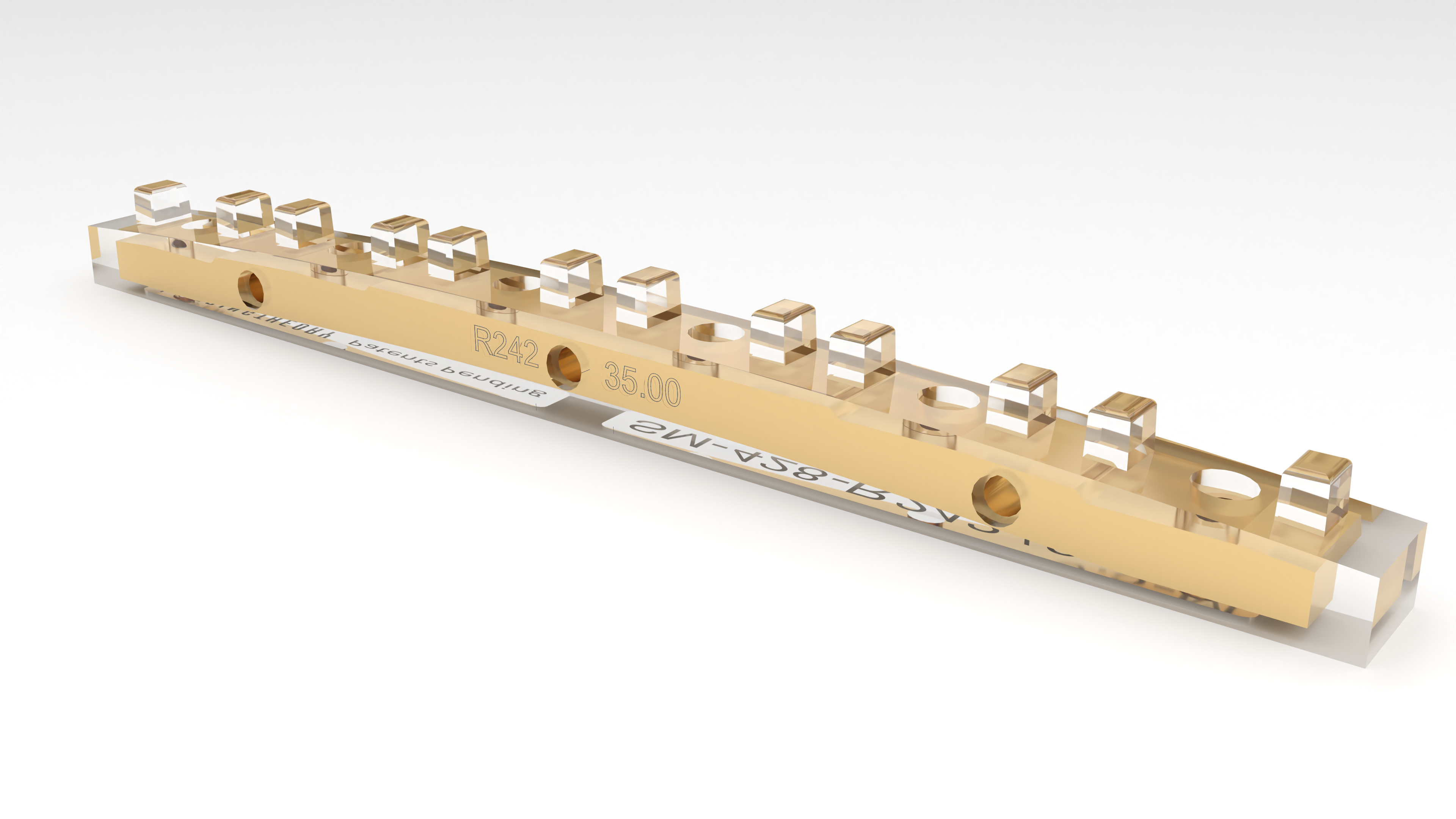
Massive™ nut technology
Features embedded brass inserts overmolded inside the nut increasing the mass, resonance and sustain of the nut.
Lubed™ nut technology
features lubricated thermoplastics and dedicated material choices for the nut and saddle string slots.

Introducing the Adjustable Nut.

Guitars are precision instruments that need exacting adjustments at both the bridge and at the nut to properly intonate and play in tune.Unfortunatley, guitars universally lack adjustability options at the nut, and a result, can not play in tune ever. Stringtheory has patented and developed an entire family of adjustable nuts for existing instruments solving this age old problem.Our drop in replacement parts, transform your instrument without modification and enable it to play in tune for the first time since it was built.

Products
Becket Colon

Luthier Series Cantilever Nuts

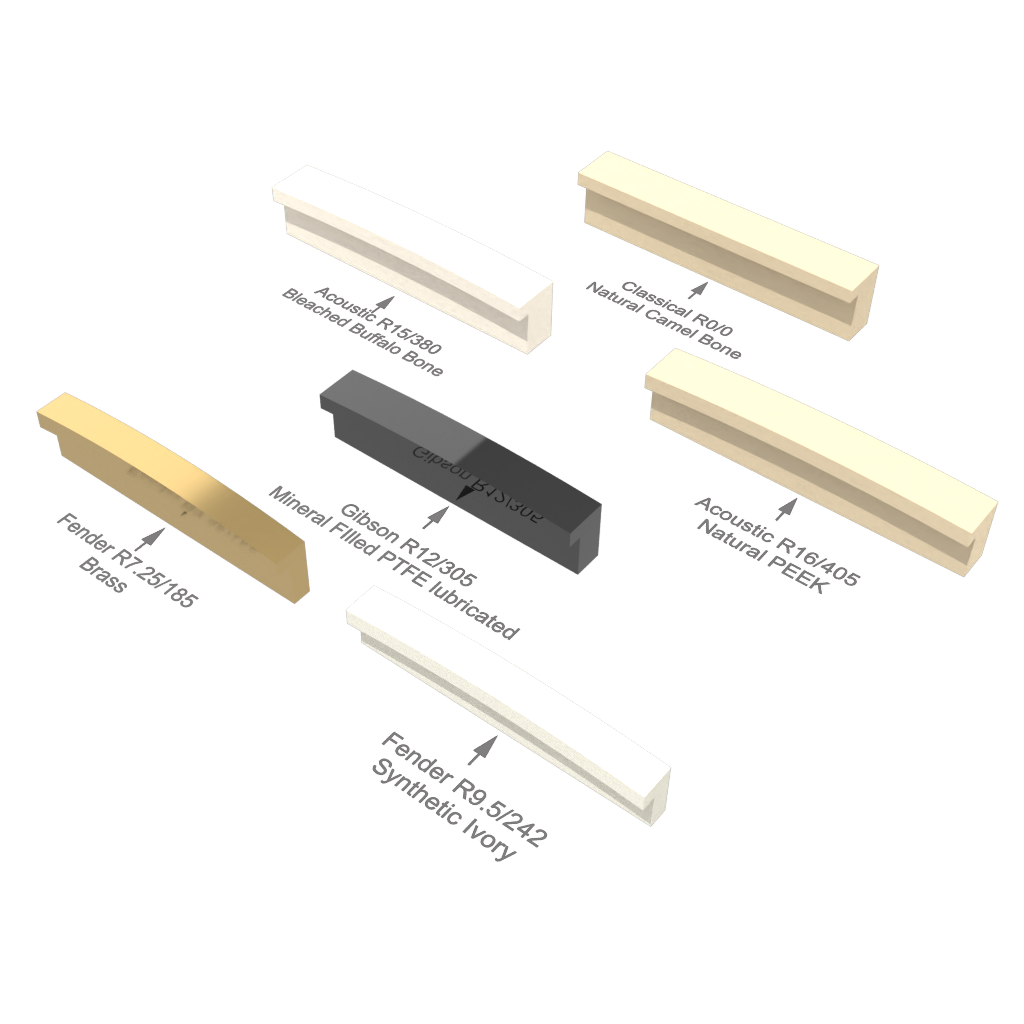
Milled nut blanks in natural and synthetic materials.
Precut and radiused for professional installation.
Available in Bone, POMAF, PEEK, Stainless Steel, Brass and Titanium.

VIEW
This is some text inside of a div block.
Becket Colon

Static Calibrated Nuts

Static calibrated nuts are designed for specific string gauges and tension values.
They are suitable for players that always use the same strings and tunings.
Available in multiple materials for popular string brands and instrument models
Available in POMAF, PEEK, Stainless Steel, Brass and Titanium.

VIEW
This is some text inside of a div block.
Becket Colon

Dynamic Calibrated Nuts

Dynamic calibrated nuts are designed for multiple string gauges and tension values.
Sold as a set, or custom ordered for specific tension values, Dynamic Nuts systems offer players more tuning choices.
Available in multiple materials for popular string brands and instrument models.
Available in POMAF, PEEK, Stainless Steel, Brass and Titanium.

VIEW
This is some text inside of a div block.
Becket Colon

Dynamic Calibrated Nuts for Locking Tremolo Systems

Dynamic calibrated nuts are designed for multiple string gauges and tension values.
Sold as a set, or custom ordered for specific tension values, Dynamic Nuts systems offer players more tuning choices.
Drop in replacement parts for Floyd Rose™, Gotoh™, Kahler™ style tremolo systems.
Available in POMAF, Stainless Steel and Titanium.

VIEW
This is some text inside of a div block.
Becket Colon

Adjustable Nuts for Locking Tremolo Systems

Adjustable Nuts are designed for perfect intonation without limits.
Drop in replacement parts for Floyd Rose™, Gotoh™, Kahler™ style tremolo systems, available for different fretboard radius.
Available in Stainless Steel and Titanium.

VIEW
This is some text inside of a div block.
Becket Colon

Fingerboard Mount Adjustable Nuts

Mechanical screw drive nuts offer perfect intonation without limits.
Designed to be flush mounted in the fingerboard, available for popular models and fretboard radius.
Available in Stainless Steel and Titanium.

VIEW
This is some text inside of a div block.
Becket Colon

Terminus Mount Adjustable Nuts

Mechanical screw drive nuts offer perfect intonation without limits.
Designed to be mounted at the end of the fingerboard, available for popular models and fretboard Radius.
Available in Stainless Steel, Ceramic and Titanium.

VIEW
This is some text inside of a div block.
Becket Colon

Slot Mount Adjustable Nuts

Adjustable nuts offer perfect intonation without limits.
Designed to be slot mounted in the fingerboard, available for popular models and fretboard Radius.
Available in POMAF, PEEK, Stainless Steel Brass and Titanium.

VIEW
This is some text inside of a div block.
Becket Colon

Calibrated Guitar Necks

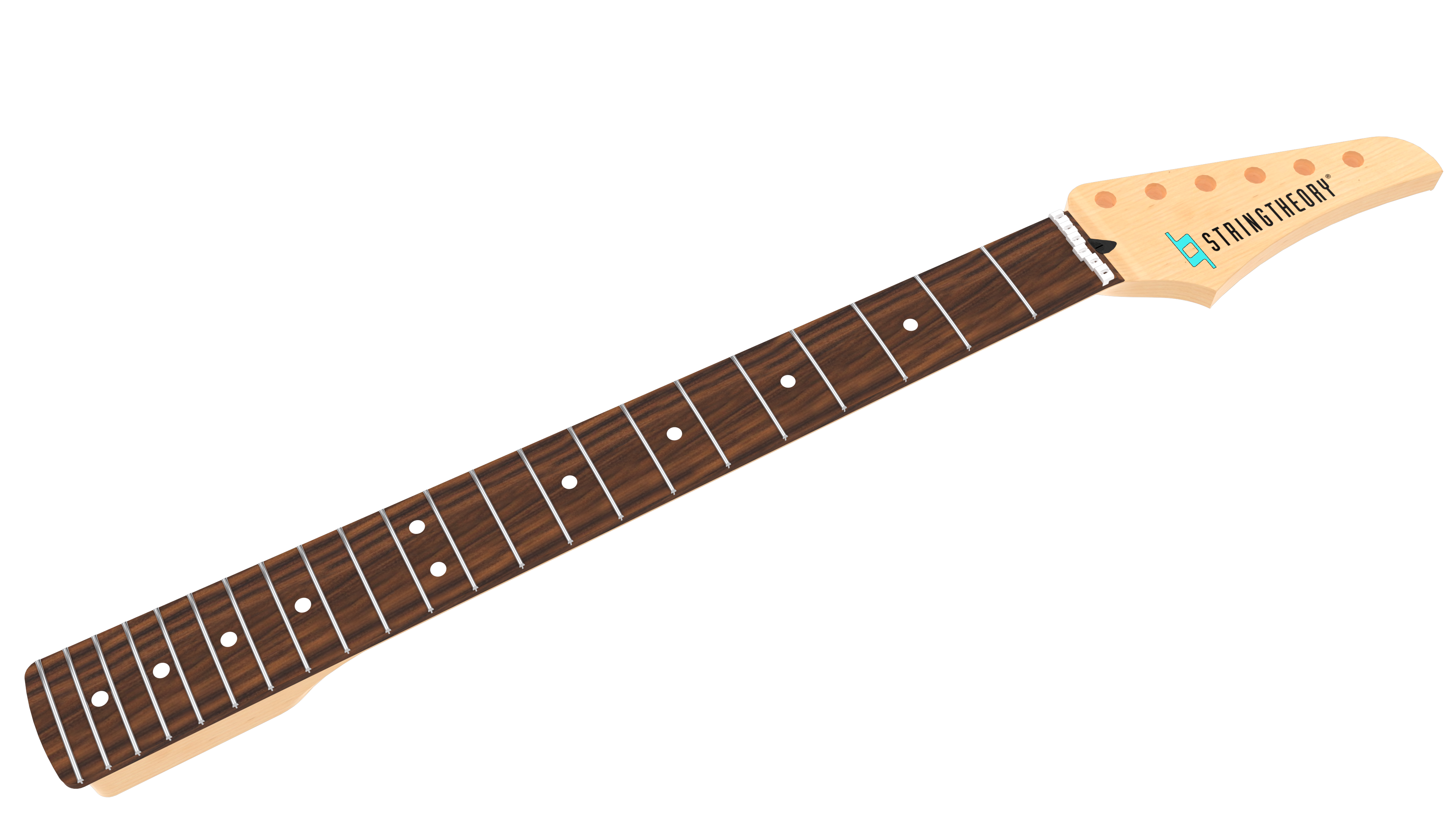
Calibrated Necks are equipped with adjustable nuts and feature a calibrated conical fretboard radius that matches the fan shaped string spacing.
Available with both Slot mount and Fingerboard mount variants for popular bolt on neck designs.

VIEW
This is some text inside of a div block.

Ready to Revolutionize Your Sound?

Join our mailing list. info@stringtheory.es

Work with us. jobs@stringtheory.es

Join thousands of musicians who've upgraded their performance with StringTheory.